 Sergios Lawn Services
Commercial Lawn Maintenance Systems: Scaling Landscaping Operations for Business Parks and HOA Properties
August 17, 2026Commercial landscapes are often the first thing tenants, customers, employees, and visitors notice when they arrive at an office park, retail center, apartment community, or homeowners association (HOA). Well-maintained lawns, healthy trees, neatly trimmed shrubs, and clean common areas create a positive first impression while reflecting the professionalism of the property’s management. However, maintaining large commercial landscapes is significantly more complex than servicing a single residential yard. It requires detailed planning, specialized equipment, coordinated crews, and long-term maintenance strategies that can consistently meet high standards across multiple properties.
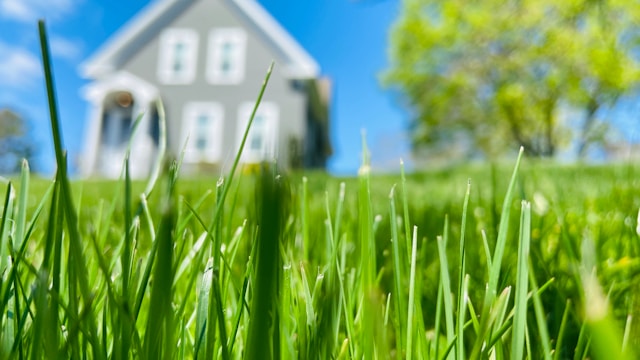
As landscaping companies expand beyond residential services, they often transition to managing commercial accounts that demand structured workflows and scalable operations. Commercial Lawn Maintenance Systems: Scaling Landscaping Operations for Business Parks and HOA Properties examines how full-service providers like Sergios Lawn Services successfully grow their commercial operations by integrating lawn mowing systems, fleet management, route optimization, preventive maintenance, and long-term service contracts into one efficient operational model.
The Growing Demand for Commercial Landscaping
Commercial landscaping has become an essential part of property management across Arizona. Office campuses, shopping centers, industrial parks, schools, medical facilities, apartment communities, hotels, and HOA neighborhoods all rely on professional landscape maintenance to preserve curb appeal and protect long-term property values.
Unlike residential landscaping, commercial maintenance focuses on consistency across large areas with high public visibility. Property managers expect landscaping companies to maintain common areas on schedule while minimizing disruption to daily business operations.
As commercial developments continue to expand throughout Phoenix and surrounding communities, landscaping providers are increasingly investing in systems that allow them to scale their operations while maintaining quality and efficiency.
Understanding Commercial Lawn Maintenance Systems
A commercial lawn maintenance system is more than a recurring mowing schedule. It is a coordinated operational framework that combines planning, workforce management, equipment allocation, quality control, irrigation monitoring, and customer communication.
A comprehensive maintenance system typically includes:
- Scheduled lawn mowing
- Turf edging
- Weed management
- Fertilization programs
- Irrigation inspections
- Shrub and hedge trimming
- Tree maintenance
- Seasonal cleanup
- Debris removal
- Mulch replenishment
- Landscape inspections
- Property reporting
Rather than treating each service independently, commercial providers integrate every task into one ongoing maintenance program tailored to each property’s needs.
Why Business Parks Require Structured Landscape Management
Business parks often contain multiple buildings, shared parking lots, pedestrian walkways, courtyards, retention ponds, and landscaped common areas. These properties experience continuous daily traffic from employees, clients, delivery vehicles, and visitors.
Landscape maintenance must therefore remain highly organized.
Property managers expect contractors to:
- Arrive on schedule
- Maintain consistent quality
- Minimize disruption
- Follow safety protocols
- Complete work efficiently
- Communicate proactively
Because multiple tenants often share responsibility for the appearance of the property, landscaping companies must maintain a uniform standard throughout the entire site.
HOA Communities Have Unique Maintenance Requirements
Homeowners associations present another important segment of commercial landscaping.
Unlike individual residential properties, HOA communities contain numerous shared spaces that require coordinated maintenance.
Common HOA landscape areas include:
- Entrance monuments
- Parks
- Walking trails
- Community pools
- Clubhouses
- Greenbelts
- Streetscapes
- Retention basins
- Decorative plantings
Residents expect these areas to remain attractive year-round because they directly influence neighborhood appearance and property values.
HOA boards also frequently establish landscape standards that contractors must consistently meet.
Property Maintenance Contracts Create Long-Term Partnerships
One of the defining characteristics of commercial landscaping is the use of recurring service contracts.
Rather than scheduling individual visits, property owners typically establish annual or multi-year agreements covering routine maintenance throughout every season.
These contracts often specify:
- Service frequency
- Scope of work
- Irrigation responsibilities
- Response times
- Seasonal enhancements
- Reporting requirements
- Safety expectations
- Quality standards
For landscaping companies like Sergios Lawn Services, recurring contracts provide predictable revenue while allowing long-term workforce and equipment planning.
For property owners, contracts ensure landscapes receive consistent professional care without repeated vendor negotiations.
Weekly and Bi-Weekly Mowing Schedules Maintain Consistency
One of the most important components of commercial lawn maintenance is establishing consistent mowing schedules.
Depending on turf type, weather conditions, and seasonal growth rates, commercial properties typically follow either:
Weekly mowing
Common during peak growing seasons when grass growth accelerates.
Bi-weekly mowing
Often appropriate during slower growth periods or for drought-tolerant landscapes requiring less frequent maintenance.
Routine schedules prevent lawns from becoming overgrown while maintaining a neat, professional appearance throughout the year.
Consistent mowing also supports healthier turf by avoiding excessive grass removal during each visit.
Route Optimization Improves Operational Efficiency
Managing dozens—or even hundreds—of commercial properties requires careful route planning.
Instead of assigning crews randomly, landscaping companies organize service routes based on factors such as:
- Geographic location
- Property size
- Crew specialization
- Equipment requirements
- Service frequency
- Traffic patterns
- Client scheduling preferences
Route optimization reduces unnecessary travel time, lowers fuel consumption, and allows crews to complete more work each day.
It also improves scheduling reliability, helping crews arrive within designated maintenance windows.
Fleet Scheduling Supports Business Growth
As commercial landscaping operations expand, equipment management becomes increasingly important.
Large commercial providers often operate multiple vehicles, trailers, and specialized machines simultaneously.
Fleet scheduling involves coordinating:
- Trucks
- Utility trailers
- Commercial mowers
- String trimmers
- Blowers
- Hedge trimmers
- Aerators
- Fertilizer spreaders
- Irrigation repair equipment
Each crew receives the tools needed for scheduled properties while minimizing equipment downtime.
Proper fleet utilization allows landscaping companies to service larger territories without sacrificing efficiency.
Equipment Scaling Enables Larger Contracts
Residential lawn maintenance often relies on smaller walk-behind equipment.
Commercial properties typically require larger machines capable of covering substantial acreage efficiently.
Equipment may include:
- Zero-turn commercial mowers
- Stand-on mowers
- Ride-on mowers
- Utility vehicles
- Compact loaders
- Hydraulic hedge trimmers
- Commercial blowers
- Large-capacity sprayers
Investing in scalable equipment allows companies to compete for larger commercial contracts while maintaining productivity.
Preventive Lawn Maintenance Protects Landscape Health
Commercial lawn care extends beyond cutting grass.
Preventive maintenance helps preserve landscape health while reducing costly repairs.
Common preventive services include:
Fertilization
Seasonal nutrient applications promote healthy turf growth.
Weed Control
Preventive weed management reduces competition for nutrients and water.
Irrigation Monitoring
Routine inspections identify leaks, broken sprinkler heads, and inefficient watering schedules.
Soil Evaluation
Monitoring soil health supports stronger root systems.
Pest Monitoring
Early detection minimizes damage from insects and plant diseases.
Preventive maintenance protects both landscape appearance and long-term maintenance budgets.
Irrigation Systems Support Commercial Landscapes
Arizona’s climate makes efficient irrigation essential for commercial properties.
Professional maintenance programs typically include:
- Sprinkler inspections
- Drip irrigation maintenance
- Valve testing
- Controller adjustments
- Leak repairs
- Seasonal programming
- Water usage monitoring
Integrating irrigation into commercial lawn maintenance ensures landscapes receive appropriate watering while supporting regional water conservation goals.
Centralized Dispatch Improves Crew Coordination
Modern landscaping companies increasingly rely on centralized dispatch systems to manage daily operations.
Dispatch teams coordinate:
- Crew assignments
- Route adjustments
- Weather delays
- Emergency requests
- Equipment availability
- Service completion updates
Real-time communication allows managers to respond quickly when unexpected situations arise, such as irrigation failures, storm cleanup, or urgent client requests.
Centralized dispatch also helps maintain consistent scheduling across large commercial portfolios.
Technology Enhances Commercial Landscaping Operations
Digital management platforms have transformed commercial landscape maintenance.
Many companies use customer relationship management (CRM) and field service software to organize daily operations.
Technology supports:
- Digital work orders
- GPS route optimization
- Crew time tracking
- Property inspection reports
- Customer communication
- Photo documentation
- Invoicing
- Maintenance history
These tools improve accountability while giving property managers greater visibility into completed work.
For companies like Sergios Lawn Services, digital systems streamline operations while supporting long-term client relationships.
Safety Is Essential for Commercial Landscaping
Commercial crews frequently operate around parking lots, roadways, pedestrians, and occupied buildings.
Strong safety programs help protect employees, clients, and the public.
Important safety practices include:
- Equipment inspections
- Personal protective equipment (PPE)
- Heat illness prevention
- Traffic control procedures
- Safe chemical handling
- Machine operation training
- Hazard identification
- Emergency response planning
Arizona’s high summer temperatures also require crews to implement hydration strategies, scheduled breaks, and heat stress awareness to maintain safe working conditions.
Communication Strengthens Client Relationships
Successful commercial landscaping extends beyond field operations.
Regular communication helps property managers understand completed work, upcoming services, and recommended improvements.
Effective communication may include:
- Monthly maintenance reports
- Seasonal planning meetings
- Irrigation performance updates
- Landscape improvement proposals
- Budget recommendations
- Service notifications
Transparent communication builds trust while helping clients make informed decisions about long-term landscape investments.
Scaling Without Sacrificing Quality
Growth presents both opportunities and challenges for landscaping companies.
As providers expand into larger commercial markets, maintaining consistent quality becomes increasingly important.
Companies often establish standardized operating procedures covering:
- Mowing techniques
- Pruning standards
- Irrigation inspections
- Equipment maintenance
- Customer communication
- Safety practices
- Quality inspections
Standardization allows multiple crews to deliver uniform results regardless of property size.
Routine quality control inspections further ensure every commercial account meets established expectations.
Environmental Sustainability Is Becoming Standard
Commercial property owners increasingly prioritize sustainable landscape management.
Modern maintenance systems often incorporate:
- Water-efficient irrigation
- Native and drought-tolerant plants
- Mulching programs
- Integrated pest management
- Soil improvement
- Reduced chemical applications
- Responsible waste management
These practices reduce environmental impact while lowering long-term maintenance costs.
Companies that integrate sustainability into routine operations are often better positioned to meet evolving client expectations and community goals.
Sergios Lawn Services and Scalable Commercial Landscaping
Companies like Sergios Lawn Services demonstrate how residential landscaping expertise can successfully expand into commercial property maintenance through structured systems and operational planning. By combining recurring service contracts with efficient fleet scheduling, preventive lawn care, irrigation management, and centralized dispatch, full-service providers can maintain business parks, HOA communities, and other commercial properties with consistency and professionalism.
This integrated approach allows crews to manage multiple locations efficiently while adapting maintenance schedules to seasonal growth patterns and Arizona’s unique climate. As commercial portfolios grow, scalable processes help ensure every property receives dependable service without compromising quality.
Conclusion
Commercial Lawn Maintenance Systems: Scaling Landscaping Operations for Business Parks and HOA Properties illustrates how commercial landscaping has evolved into a sophisticated operational discipline that extends far beyond routine grass cutting. Managing large commercial properties requires structured mowing schedules, efficient route optimization, preventive maintenance, equipment scaling, centralized dispatch, and long-term service contracts that support both operational efficiency and exceptional landscape quality.
For providers like Sergios Lawn Services, investing in integrated commercial maintenance systems creates a foundation for sustainable growth while helping clients maintain attractive, healthy, and professionally managed outdoor environments. As Arizona’s commercial developments and HOA communities continue to expand, scalable landscaping operations will remain essential for preserving property values, enhancing community appeal, and delivering reliable service across increasingly diverse portfolios.