 Sergios Lawn Services
Xeriscaping and Water-Efficient Landscaping in Arizona: A Strategic Shift for Companies Like Sergios Lawn Services
August 24, 2026Arizona’s desert climate has always influenced how landscapes are designed, maintained, and managed. With hot summers, limited annual rainfall, and increasing emphasis on water conservation, traditional landscaping practices that rely heavily on lush turf and extensive irrigation are becoming less practical. Homeowners, businesses, municipalities, and property managers are increasingly seeking landscape solutions that balance beauty, functionality, and sustainability while reducing water consumption.
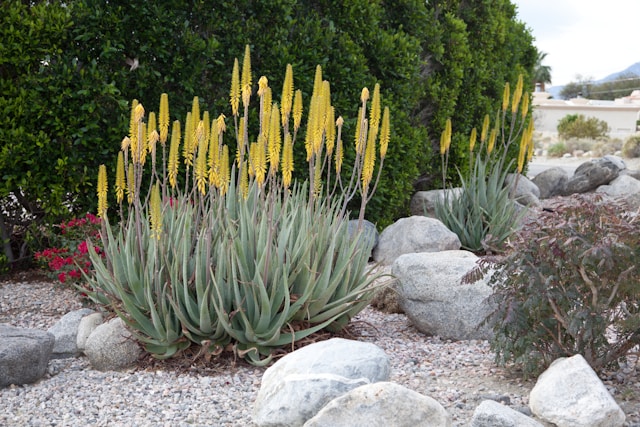
One of the most effective approaches is xeriscaping a landscape design philosophy that minimizes irrigation needs by using drought-tolerant plants, efficient watering systems, and thoughtful site planning. Rather than creating barren gravel yards, modern xeriscaping combines attractive native vegetation, decorative hardscaping, soil improvement, and smart irrigation technologies to produce visually appealing outdoor spaces that thrive in arid environments.
Xeriscaping and Water-Efficient Landscaping in Arizona: A Strategic Shift for Companies Like Sergios Lawn Services explores how landscaping companies are adapting to changing environmental conditions and municipal water conservation goals. By integrating xeriscaping into residential and commercial projects, providers like Sergios Lawn Services help clients create landscapes that are environmentally responsible, cost-effective, and well suited to Arizona’s unique climate.
Understanding Xeriscaping
The term “xeriscaping” comes from the Greek word xeros, meaning dry. Contrary to common misconceptions, xeriscaping does not mean replacing every lawn with rocks or eliminating greenery altogether. Instead, it focuses on designing landscapes that use water efficiently while maintaining visual appeal and ecological value.
A successful xeriscape combines several complementary elements:
- Native and drought-resistant plants
- Efficient irrigation systems
- Healthy soil
- Mulch for moisture retention
- Practical turf placement
- Decorative stone and hardscape features
- Long-term maintenance planning
Each component works together to reduce water demand while supporting healthy plant growth.
Why Arizona Is Leading the Shift Toward Water-Efficient Landscaping
Arizona receives relatively little annual rainfall compared to many parts of the United States. At the same time, communities continue to grow, increasing demand for limited water resources. Cities throughout the Phoenix metropolitan area have responded by encouraging conservation through public education, landscape guidelines, and efficient irrigation practices.
These conditions have accelerated the adoption of xeriscaping for both residential and commercial properties.
Modern landscaping companies understand that successful landscape design in Arizona requires more than aesthetic planning—it also involves environmental responsibility and long-term resource management.
Water Conservation Is Becoming a Design Priority
Historically, many landscapes relied heavily on expansive lawns requiring frequent watering. Although turf remains appropriate in certain applications, property owners increasingly recognize that excessive irrigation can lead to higher utility costs and unnecessary water consumption.
Water-efficient landscaping addresses these concerns by reducing irrigation dependency without sacrificing curb appeal.
Instead of designing landscapes around high-water-demand turf, professionals now prioritize:
- Native vegetation
- Desert-adapted ornamental plants
- Decorative gravel
- Mulched planting beds
- Shade-producing trees
- Functional outdoor living spaces
This balanced approach creates attractive landscapes that require significantly less water throughout the year.
Native Plants Support Desert Ecosystems
One of the defining characteristics of xeriscaping is the use of plants naturally adapted to Arizona’s climate.
Native shrubs, grasses, cacti, succulents, and flowering perennials have evolved to survive extended dry periods while tolerating intense sunlight and high temperatures.
Common drought-resistant landscape plants include:
- Desert spoon
- Red yucca
- Agave varieties
- Brittlebush
- Texas sage
- Desert marigold
- Palo verde trees
- Mesquite trees
- Fairy duster
- Globe mallow
Because these plants are well suited to local conditions, they generally require less supplemental irrigation once established.
Native landscaping also supports local pollinators, birds, and beneficial insects, contributing to healthier desert ecosystems.
Landscaping Design Must Adapt to Arizona’s Climate
Successful landscape design begins with understanding site conditions.
Professional landscaping companies evaluate factors such as:
- Sun exposure
- Soil composition
- Drainage
- Existing vegetation
- Property use
- Elevation changes
- Irrigation access
Rather than applying the same design principles used in wetter climates, Arizona landscape designers create customized plans that account for evaporation rates, seasonal temperatures, and water availability.
This climate-specific approach helps landscapes remain attractive while minimizing maintenance requirements.
Drip Irrigation Improves Water Efficiency
Efficient irrigation is one of the most important components of modern xeriscaping.
Traditional overhead sprinkler systems often lose significant amounts of water through evaporation, runoff, and wind drift—especially during Arizona’s hot afternoons.
Drip irrigation provides a more targeted solution by delivering water directly to plant root zones.
Benefits include:
- Reduced evaporation
- Lower water usage
- Fewer weeds
- Improved soil moisture consistency
- Healthier root development
- Reduced fungal disease risk
Professional landscaping companies frequently integrate drip irrigation into both residential gardens and commercial landscapes to maximize efficiency.
Smart Irrigation Technology Continues to Advance
Today’s irrigation systems incorporate technology that helps conserve water while maintaining healthy landscapes.
Modern controllers may include:
- Weather-based scheduling
- Soil moisture sensors
- Rain delay programming
- Remote smartphone control
- Leak detection alerts
- Zone-specific watering adjustments
These technologies allow irrigation schedules to respond to changing environmental conditions rather than operating on fixed timers.
Companies like Sergios Lawn Services can integrate these systems into broader landscape maintenance programs, ensuring irrigation remains efficient throughout the year.
Soil Health Plays a Critical Role
Healthy soil functions like a natural reservoir, storing moisture and making it available to plant roots over time.
Unfortunately, many Arizona soils contain high levels of clay, sand, or compaction that limit water infiltration and root development.
Professional landscaping companies often improve soil through:
- Organic compost incorporation
- Soil conditioning
- Aeration
- Mulching
- Organic matter additions
Improved soil structure enhances water retention while reducing irrigation frequency.
This approach benefits both traditional landscapes and xeriscape installations.
Mulch Helps Reduce Moisture Loss
Mulching is another essential component of water-efficient landscaping.
Organic mulch and decorative rock both help:
- Reduce evaporation
- Moderate soil temperatures
- Suppress weeds
- Prevent erosion
- Improve soil stability
- Protect plant roots
In Arizona’s extreme summer temperatures, mulch provides valuable insulation that allows soil to retain moisture longer between irrigation cycles.
Hardscaping Complements Xeriscaping
Water-efficient landscapes often incorporate hardscape features that reduce irrigated areas while increasing property functionality.
Examples include:
- Stone pathways
- Paver patios
- Decorative retaining walls
- Outdoor seating areas
- Gravel walkways
- Courtyards
- Raised planters
These elements reduce overall water demand while creating attractive outdoor living spaces that require relatively little maintenance.
For commercial properties, hardscaping also improves accessibility and durability in high-traffic areas.
Commercial Properties Benefit from Xeriscaping
Commercial landscapes must remain attractive throughout the year while operating within maintenance budgets.
Businesses, office parks, retail centers, schools, medical facilities, and homeowner associations increasingly recognize the financial advantages of xeriscaping.
Benefits include:
- Lower irrigation costs
- Reduced maintenance labor
- Improved long-term landscape health
- Greater drought resilience
- Consistent curb appeal
- Better compliance with sustainability initiatives
Companies that manage multiple commercial properties often adopt standardized water-efficient landscape programs to improve operational consistency across locations.
Residential Homeowners Reduce Long-Term Costs
Although installing a xeriscape may involve an initial investment, many homeowners experience long-term savings through reduced maintenance and lower utility bills.
Potential savings come from:
- Less frequent mowing
- Lower fertilizer requirements
- Reduced irrigation
- Fewer lawn repairs
- Decreased weed management
- Lower seasonal replacement costs
Homeowners also benefit from landscapes that remain attractive despite periods of drought or watering restrictions.
Municipal Water Policies Influence Landscape Design
Communities throughout Arizona continue encouraging efficient outdoor water use through conservation programs, educational resources, and updated landscaping recommendations.
As awareness grows, property owners increasingly seek landscape solutions aligned with these goals.
Professional landscaping companies remain informed about regional best practices and water conservation recommendations, allowing them to design projects that balance aesthetics with responsible resource management.
Rather than viewing conservation as a limitation, many designers see it as an opportunity for creativity and innovation.
Maintenance Remains Essential
A common misconception is that xeriscapes require no maintenance.
In reality, water-efficient landscapes still benefit from routine care, including:
- Seasonal pruning
- Irrigation inspections
- Weed removal
- Mulch replenishment
- Plant health monitoring
- Soil evaluation
- Fertilization when appropriate
Regular maintenance protects landscape investments while ensuring irrigation systems continue operating efficiently.
Companies like Sergios Lawn Services often provide recurring maintenance programs that keep xeriscape installations healthy and visually appealing throughout the year.
Sustainability Supports Property Value
Well-designed landscapes contribute significantly to overall property value.
Buyers and tenants increasingly appreciate outdoor environments that combine beauty with sustainability.
Water-efficient landscapes offer several advantages that enhance market appeal:
- Lower operating costs
- Reduced maintenance demands
- Environmental responsibility
- Attractive year-round appearance
- Improved resilience during drought
- Modern landscape design
For commercial properties, professionally maintained xeriscapes also strengthen brand image by demonstrating responsible environmental stewardship.
The Future of Landscaping in Arizona
As climate patterns evolve and water conservation becomes an even greater priority, xeriscaping will likely continue expanding across Arizona.
Future trends include:
- Greater use of native plants
- Expanded smart irrigation technology
- Increased rainwater harvesting where appropriate
- Climate-adapted landscape planning
- Pollinator-friendly gardens
- Sustainable outdoor living spaces
- Digital irrigation monitoring
- Data-driven landscape maintenance
These innovations will help landscaping companies deliver landscapes that are both environmentally responsible and economically sustainable.
Sergios Lawn Services and the Shift Toward Integrated Water-Efficient Landscaping
Companies like Sergios Lawn Services represent the modern evolution of Arizona landscaping by integrating xeriscaping principles into comprehensive landscape management. Rather than treating irrigation, plant selection, soil improvement, and maintenance as separate services, they develop coordinated strategies tailored to each property’s unique conditions.
For residential clients, this may involve replacing high-water-demand areas with drought-tolerant plants, upgrading irrigation systems, and improving soil health. For commercial properties, integrated landscape management can combine routine maintenance, efficient watering practices, seasonal plant care, and hardscape enhancements to create attractive outdoor environments with lower long-term operating costs.
By viewing every landscape as a connected ecosystem instead of a collection of individual features, full-service providers help clients achieve lasting beauty while supporting Arizona’s broader water conservation objectives.
Conclusion
Xeriscaping and Water-Efficient Landscaping in Arizona: A Strategic Shift for Companies Like Sergios Lawn Services reflects the changing priorities of modern landscape design. As Arizona continues to balance population growth with responsible water management, efficient landscaping practices have become essential for both residential and commercial properties.
Through the thoughtful use of drought-resistant plants, drip irrigation systems, soil conditioning, mulch, and sustainable design principles, landscaping professionals can create outdoor spaces that thrive in desert conditions while using significantly less water. Companies like Sergios Lawn Services demonstrate how integrated landscape management can combine environmental stewardship with aesthetic excellence, helping clients reduce maintenance costs, conserve valuable resources, and enjoy resilient landscapes that remain beautiful throughout Arizona’s changing seasons.